
Johnny’s Need To Be Seen
The CallerThis flow traces how Johnny’s sense of invisibility turns into a hunger for recognition, then into an identity built around being feared.
increasing Bearing strength in each event
 decreasing
Bearing strength in each eventdecreasingThe Wimp From Askeland
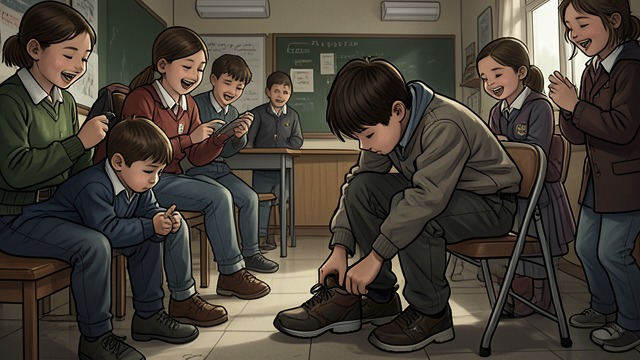
The Wimp From Askeland
A diminished self-image
Johnny remembers being called weak at school and regards himself as insignificant. He feels that no one needs him except, occasionally, Henry.
A craving for consequence
The absence of respect makes public reaction unusually powerful to him. When he stages a prank, the shock of strangers becomes evidence that he can affect the world.
This need helps explain the campaign’s appeal without excusing the harm. Johnny wants proof that he exists, but he chooses fear as the proof.
The First Rush
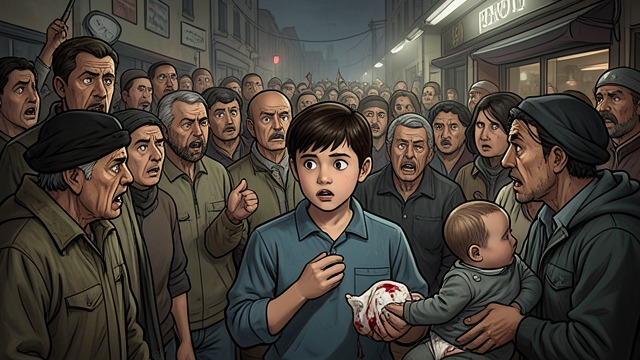
The First Rush
Imagining a community react
Johnny pictures adults reading about the blood-soaked baby and recoiling in horror. The image makes him smile and feel powerful.
Hidden identity, public effect
He can become the subject of conversation without being recognized as the person responsible. The gap between anonymity and impact gives him a sense of control absent from home.
The first rush teaches him that strangers’ fear can serve as a substitute for attention. It also encourages him to repeat and enlarge the method.
A Name In The News
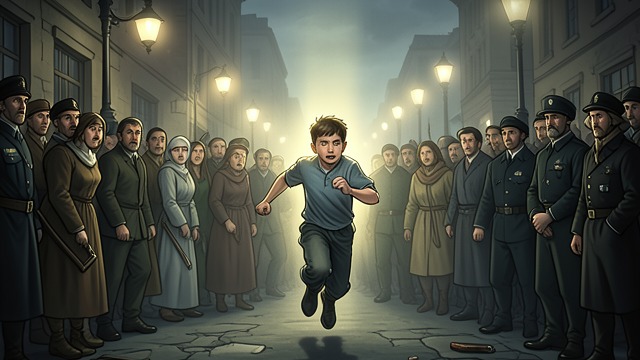
A Name In The News
The community labels the unknown prankster
Residents and journalists give the perpetrator increasingly vivid names. Johnny enjoys hearing people discuss him and interprets the publicity as recognition.
Attention becomes identity
He rides through neighborhoods imagining the lives he could disturb. Being feared and talked about begins to matter more than whether people understand him.
Public attention does not repair Johnny’s isolation. Instead, it rewards his most harmful behavior and helps turn the campaign into the identity he wants to protect.
Invincibility As A Pose
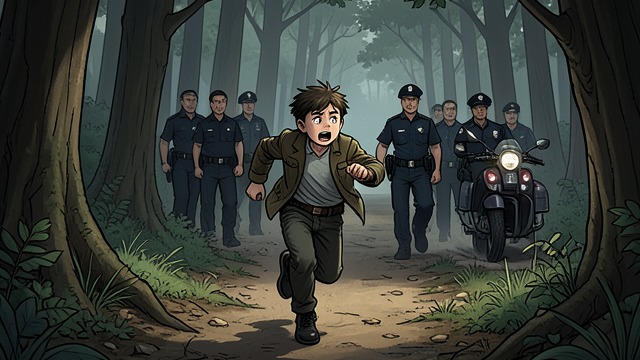
Invincibility As A Pose
A game he expects to win
Johnny imagines evading police through woods and treats the pursuit as play. He tells himself that speed and cleverness make him untouchable.
Fear underneath confidence
When he notices the Spar staff watching him, he runs for the moped and recognizes that investigators are close. He still calls the experience exciting, but his confidence has acquired an edge of fear.
The pose of invincibility hides a young person who knows he may be caught. His self-image depends on winning, yet the possibility of consequences is now unavoidable.
A Final Claim
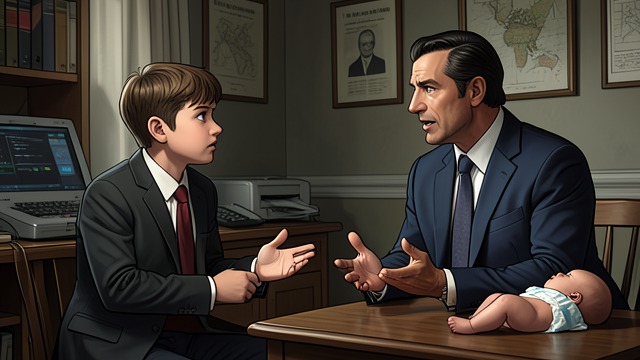
A Final Claim
Confession with a boundary
Johnny admits that he frightened people for attention but insists that he did not release Schillinger’s dogs. He describes his life as having little value, while still defending that specific claim.
Recognition without absolution
Sejer gives Johnny repeated opportunities to talk and treats him as a person rather than only a suspect. Johnny accepts the attention but refuses to accept responsibility for Theo’s death.
His need to be seen has changed into a fragile dependence on one listener. The relationship cannot settle the central allegation before Johnny dies.
before the first public prank
after the attack on Margrete
during the middle of the campaign
after the first investigation leads emerge
near the end, during Sejer’s interviews with Johnny
